Mastering the way to look after arowana fish or any aquarium world’s most opulent creatures. Our complete guide covers the whole lot from tank requisites and feeding schedules to disorder prevention and breeding strategies, guaranteeing your arowana prospers in captivity when keeping its regal splendor and bright health and wellbeing. Keeping an arowana fish represents certainly one of aquaculture’s so much rewarding challenges. These historic predators, on the whole known as dragon fish, command realization with their metallic scales and sleek hobbies. Yet their care needs precision, patience, and a precise dedication to growing an ambiance in which those exceptional creatures can flourish.
The ride to valuable arowana conserving starts offevolved with working out that those are not newbie fish. Their good sized dimension, targeted environmental demands, and delicate nature require experienced fingers. According to PetMD’s learn, arowanas can grow up to two inches in line with month at some point of their first year, a boom charge that catches many unprepared keepers off secure.
Understanding Arowana Fish Biology
Before putting in place any machine, grasp what makes these fish exact. Arowanas belong to the Osteoglossidae kinfolk, an historical lineage that has survived for thousands of years. Their elongated bodies, coated in large metal scales, serve equally aesthetic and purposeful functions. The particular upturned mouth and long barbels close their lower jaw aid them locate flow at the water’s surface, wherein they clearly hunt.
These floor feeders possess a completely unique bony tongue architecture that helps overwhelm prey. Biology Dictionary notes that this adaptation permits them to consume large prey pieces than you would count on for their jaw dimension. In their healthy habitat throughout South America, Asia, Australia, and Africa, they inhabit slow-moving waters, flooded forests, and river tributaries in which they may patrol the top water column.
The National Zoo’s observations spotlight their incredible leaping capability. Wild arowanas traditionally bounce from the water to snatch insects, small birds, and even bats from low-striking branches. This behaviour has earned them yet another nickname: water monkeys.
How to Care for Arowana Fish
How to Care for Arowana FishEssential Tank Setup Requirements
Tank Size and DimensionsSpace topics dramatically for arowana future health. Juveniles would live on temporarily in smaller environments, however planning for person size prevents destiny complications and stress-similar wellbeing and fitness subject matters.
Fish Size Minimum Tank Volume Recommended Dimensions
Juvenile (4-eight inches) 60 gallons 4 feet x 1.five ft x 1.five feetSub-grownup (8-sixteen inches) 150 gallons five feet x 2 toes x 2 ft
Adult Silver Arowana 250-three hundred gallons 6 toes x 2.5 toes x 2.5 feetAdult Asian/Australian 220 gallons minimal 6 toes x 2 ft x 2 feet
Large Adult (24+ inches) 400-800 gallons eight ft x 3 toes x 3 ftThe Smithsonian’s Living Planet Aquarium emphasizes that horizontal swimming house concerns greater than tank height. These fish patrol territories horizontally, so duration and width take precedence over intensity.
Glass thickness can not be compromised. Arowanas generate full-size power, and tanks with glass thinner than 1/2 an inch menace catastrophic failure. We propose official-grade aquariums equipped chiefly for monster fish, and the tank stand would have to support the significant weight interested.
Water Parameters and Quality
Maintaining reliable water stipulations separates powerful keepers from those who war with regular fitness issues. Research from aquarium experts confirms that parameter steadiness concerns more than hitting desirable numbers.Critical Water Parameters:
Temperature: seventy five-86°F (24-30°C)
pH Level: 6.0-7.five (cushy to quite acidic)
Ammonia: 0 ppm (fully significant)Nitrite: 0 ppm (similarly important)
Nitrate: Below 20 ppm (minimize is larger)Water Hardness: 5-12 dGH
Arowanas exhibit unique sensitivity to nitrates, not like many other super fish. Weekly partial water ameliorations of 25-30% assistance deal with optimal stipulations. Some experienced keepers operate smaller day-by-day alterations, which creates even greater stable prerequisites.Investment in excellent look at various kits will pay dividends. The API Master Test Kit or similar products enable true tracking of these parameters. Digital thermometers deliver extra reputable readings than stick-on models.
Filtration and Circulation
These fish produce great waste, making amazing filtration non-negotiable. Your filter machine may still process the comprehensive tank quantity as a minimum 4 instances hourly. For a 250-gallon tank, purpose for filters rated at 1,000 gallons consistent with hour minimum.
Recommended Filtration Options:
External canister filters (FX6, Eheim 2260)
Sump filtration strategiesMultiple hold-on-to come back capability filters
Custom wet/dry trickle tacticsAquarium Store directions suggests combining mechanical, biological, and chemical filtration strategies. Mechanical filtration eliminates particulate rely, biological filtration methods ammonia and nitrites using profitable bacteria colonies, even though chemical filtration (activated carbon) removes dissolved biological compounds and odours.
Water circulation should always create moderate to powerful present day with out creating locations the place your arowana struggles to swim. Position filter out outflows to generate round go with the flow styles that mimic river currents.
Lighting and Tank Placement
Position your aquarium in a quiet field faraway from direct sunlight, home windows, and high-traffic zones. According to PetMD’s care analyze, arowanas startle absolutely, and sudden movements or bright lights trigger pressure responses.Lighting serves two reasons: viewing your fish and potentially enhancing color. Standard aquarium lights work effective for silver arowanas and such a lot species. However, keepers of pink or golden types most of the time use specialised tanning lighting fixtures to intensify coloration. Keep photoperiods regular at 10-12 hours day by day.
Tank Lid and Safety
Never underestimate arowana leaping capability. These fish can clear a few feet whilst startled or looking. A at ease, geared up lid with no gaps prevents injuries and escapes. Some keepers use netting or acrylic covers, but anything method you favor, verify finished protection with ok ventilation.
Feeding Your Arowana: Nutrition and Diet
Understanding Dietary NeedsCarnivorous arowanas require high-protein diets prosperous in most important meals. In nature, they consume bugs, smaller fish, crustaceans, and often small reptiles or amphibians. Captive diets should still reflect this sort whereas making sure balanced vitamins.
Feeding analyze from MonsterFishKeepers demonstrates that diversity prevents nutritional deficiencies. Relying exclusively on one foodstuff fashion, alternatively handy, creates wellbeing disorders through the years.
Primary Food Sources
High-Quality Pellets and SticksSpecially formulated arowana pellets or sticks (Hikari Massivore, Omega One Super Color) may still form the basis. These involve balanced proteins, supplementations, and minerals. Look for products directory whole fish or fish meal as typical foods.
Live Foods
Market Prawns: Excellent protein source and organic coloration enhancer. Feed total with shells for large fish, dispose of shells for juveniles.
Crickets: Stimulate looking instincts, prime protein content.
Mealworms and Superworms: Convenient, protein-prosperous, however especially excessive in fats.Earthworms: Highly nutritious when intestine-loaded with best foodstuff.
Small Fish: Guppies, rosy red minnows (dodge overfeeding goldfish through prime fats content).Grasshoppers: Low fats, top protein alternative for adults.
Frozen FoodsFrozen market shrimp, krill, fish fillets, and bloodworms deliver comfort with tremendous dietary magnitude. Thaw fullyyt sooner than feeding and do away with any uneaten portions instantly.
Feeding Schedule and Portions
Age and measurement verify feeding frequency. According to hygger’s nutritional studies, juveniles need greater widely used foodstuff to fortify speedy development:
Juvenile Arowanas (Under 365 days):
Feed 2-three instances day-after-day
Small quantities fed on inside 2-3 minutesFocus on progress-assisting meals
Adult Arowanas (Over twelve months):Feed once every single day or each other day
Larger portions ate up within 5 minutes
Consider occasional fasting daysOverfeeding motives more concerns than underfeeding. Obesity, swim bladder things, and water great degradation all stem from high feeding. Monitor your fish’s physique situation and alter as a consequence.
Foods to Avoid or Limit
While arowanas devour virtually anything else, designated ingredients require warning:Goldfish: High fat content material makes them fallacious as staples
Mammalian meat: Difficult to digest, can trigger bloating
Fatty insects: Limit waxworms and different high-fat innovationsSharp-edged ingredients: Remove shrimp head gear to stay away from intestinal injury
Common Health Issues and Disease PreventionPreventive Care Fundamentals
Prevention beats healing each time. Health study documented via hygger suggests that such a lot arowana ailments stem from deficient water great, rigidity, or dietary deficiencies.Prevention Strategies:
Maintain pristine water circumstances
Quarantine new tank buddies for 2-three weeks
Provide varied, nutritious dietMinimize managing and surprising environmental alterations
Use excellent filtration tacticsPerform customary water trying out
White Spot Disease (Ich)Perhaps the most widely used parasitic irritation, ich manifests as small white spots throughout the physique and fins. Fish contaminated with ich ordinarily scratch against tank surfaces and reveal reduced urge for food.
Treatment Protocol:
Gradually lift temperature to 28-30°C (if species tolerates)
Add ich medical care (malachite green or copper-based totally treatment options)Increase aeration
Perform 25% water ameliorations each 2-three daysContinue medical care for complete cycle (10-14 days)
Bacterial InfectionsBacterial infections appear as fin rot, physique lesions, discolouration, or lethargy. According to fishkeeping study, bad water excellent straight away triggers those situations.
Treatment Approach:
Improve water good quality instant
Add aquarium salt (1%)Administer large-spectrum antibiotics if priceless
Increase oxygen rangesRemove sharp decorations that would reason damage
Dropsy and Swim Bladder IssuesOverfeeding represents the crucial purpose of swim bladder problems. Fish plagued by these prerequisites wrestle with buoyancy, floating abnormally or sinking.
Management Steps:
Fast the fish for 48-72 hours
Feed cooked, peeled peas to aid digestionAdd small volume of aquarium salt
Maintain good water parametersResume feeding with smaller parts
Droopy Eye (Drop Eye)Controversial and problematical, droopy eye motives aesthetic problems but not often impacts overall healthiness straight away. Research suggests that fat accumulation at the back of the eye, combined with environmental motives, contributes to this circumstance.
Prevention Methods:
Avoid overfeeding fatty meals
Use centralized best lightsCover tank sides to keep downward watching
Feed floating meals to encourage upward orientationMaintain most beneficial water satisfactory
Gill CurlSmall tank length, bad oxygen levels, and suboptimal water prerequisites trigger gill covers to twist outward. This situation influences respiration and appearance.
Correction Approach:
Transfer to thoroughly sized tank
Increase oxygen tiers drasticallyMaintain strong water parameters
Consider surgical operation only as last hotel (hardly useful)Compatible Tank Mates and Social Dynamics
Adult Arowana BehaviourWikipedia’s documentation confirms that adult arowanas show solitary and territorial behaviour. Keeping assorted adults in combination most commonly effects in aggression, rigidity, and advantage injury.
Selecting Compatible Species
If you opt for to condominium tank associates with your arowana, apply these tips:Suitable Companions:
Large Plecos: Stay close to bottom, assist with algae
Large Catfish: Bottom dwellers that avoid arowana territory
Datnoides: Similar measurement, assorted water columnOscars: If desirable sized, can coexist
Freshwater Stingrays: Remain on backside substrateSpecies to Avoid:
Any fish small ample to devour
Surface-dwelling species (compete for territory)Aggressive species of similar structure
Slow-moving fancy goldfishNeon or small tetras
Carefully track interactions when introducing new fish. Remove any species appearing signals of stress or aggression inside 24-forty eight hours. At Arowanaz, we inventory a large number of compatible species that work smartly in arowana setups.Water Maintenance and Tank Upkeep
Weekly Maintenance Schedule
Monday: Test water parameters (ammonia, nitrite, nitrate, pH)Wednesday: Perform 25% water change, vacuum substrate
Friday: Check filter go with the flow expense, clean pre-filters if vitalSunday: Inspect fish for healthiness matters, check temperature
Monthly Deep MaintenanceOnce monthly, behavior greater thorough protection:
Clean clear out media (not at all suddenly)
Test and calibrate apparatusInspect warmers and thermometers
Check for tools wear or malfunctionExamine tank seals and shape
Water Change TechniqueMatch temperature and pH of alternative water to tank water. Treat with dechlorinator until now including. Pour slowly to preclude startling your cheap Arowana online fish. Some keepers use Python water changers or same programs that simplify huge water alterations.
the just right amazing pink arowana c
Arowana Varieties and Species-Specific Care
Silver ArowanaThe silver arowana represents the most obtainable species for conserving. Native to South American river structures, they grow without delay and achieve lengths exceeding three ft. Their metallic silver scales and immense scales create gorgeous visible appeal.
Care Specifics:
Temperature: seventy five-82°F
pH: 6.zero-7.0Tank length: 250+ gallons for adults
Growth cost: Extremely immediate (2 inches per month when younger)Asian Arowana
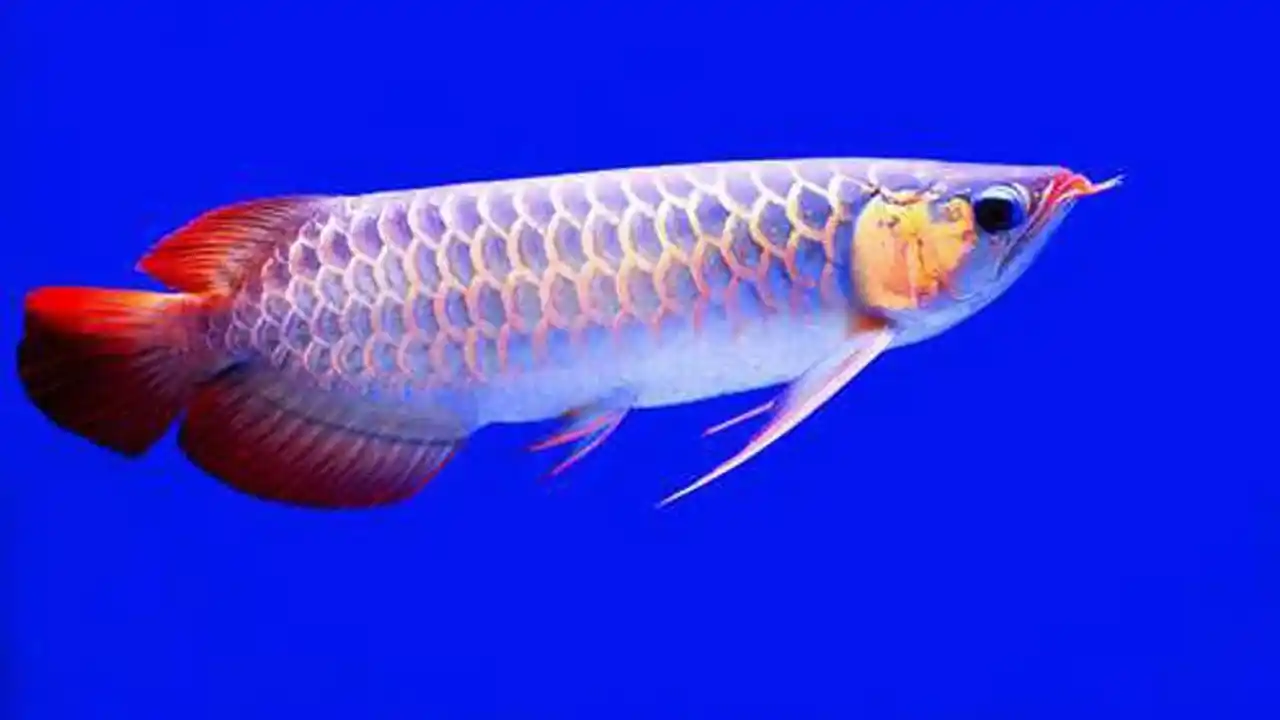
Asian arowana command top rate rates caused by their awesome coloration and cultural value. Red, golden, and green forms exist, both with assorted care requisites.Notable Varieties:
Super Red Arowana
Malaysian Red Arowana
Chili Red ArowanaPlatinum Arowana
24K Golden ArowanaAustralian Varieties
Equipment Recommendations
Heaters
Use authentic, adjustable heaters rated for your tank volume. We put forward:Titanium heaters for considerable tanks (well-nigh indestructible)
Two smaller warmers in place of one great unit (redundancy)
External temperature controllers for precisionWater Testing Equipment
API Master Test Kit (accomplished)Digital pH meter (accuracy)
TDS meter (dissolved solids tracking)Thermometers (multiple areas)
Filtration ComponentsQuality matters noticeably. Proper tank setup calls for funding in safe kit. Consider FX6 canister filters, Eheim skilled series, or tradition sump approaches.
Acclimation and Introduction
Bringing Your Arowana HomeWhen you acquire an arowana, real acclimation prevents surprise and sickness. Our delivery system ensures fish arrive in shape, yet acclimation stays quintessential.
Acclimation Steps:
Float sealed bag in tank for 15-20 minutes (temperature equalization)
Open bag, add 1/4 cup tank waterWait 10 mins, add a further 1/4 cup
Repeat process for 45-60 minutes wholeGently net fish into tank (don’t add bag water)
Dim lighting for first 24 hoursMonitor carefully for tension signals
First Week CareStress tiers height all through initial days. Minimize sport around the tank, care for steady conditions, and supply small amounts of their widespread meals. Some arowanas refuse delicacies for 2-three days after transferring. This behaviour falls within standard number except accompanied by using different indications.
Advanced Considerations
Breeding ArowanaArowana breeding in domicile aquariums affords magnificent challenges. These fish require monstrous spaces, one of a kind stipulations, and years to reach sexual adulthood (3-four years minimum).
Males prepare mouthbrooding, carrying fertilized eggs and fry of their mouths for up to two months. Commercial breeding operations use large ponds as opposed to tanks. For so much keepers, breeding stays impractical.
Colour Enhancement
Colour genetics play the vital function, but diet and setting effect pigmentation. What influences their bright colorations incorporates:Diet: Prawns, krill, and coloration-improving pellets
Lighting: Specialized tanning lighting for reds and golds
Water chemistry: Soft, acidic water complements huesStress degrees: Chronic pressure dulls color
Arowana Legalities and Regulations Asian arowanas face authorized restrictions in many nations attributable to endangered popularity. However, other varieties continue to be felony. Research regional policies earlier than paying for. Understand what arowana fish are and their conservation prestige.